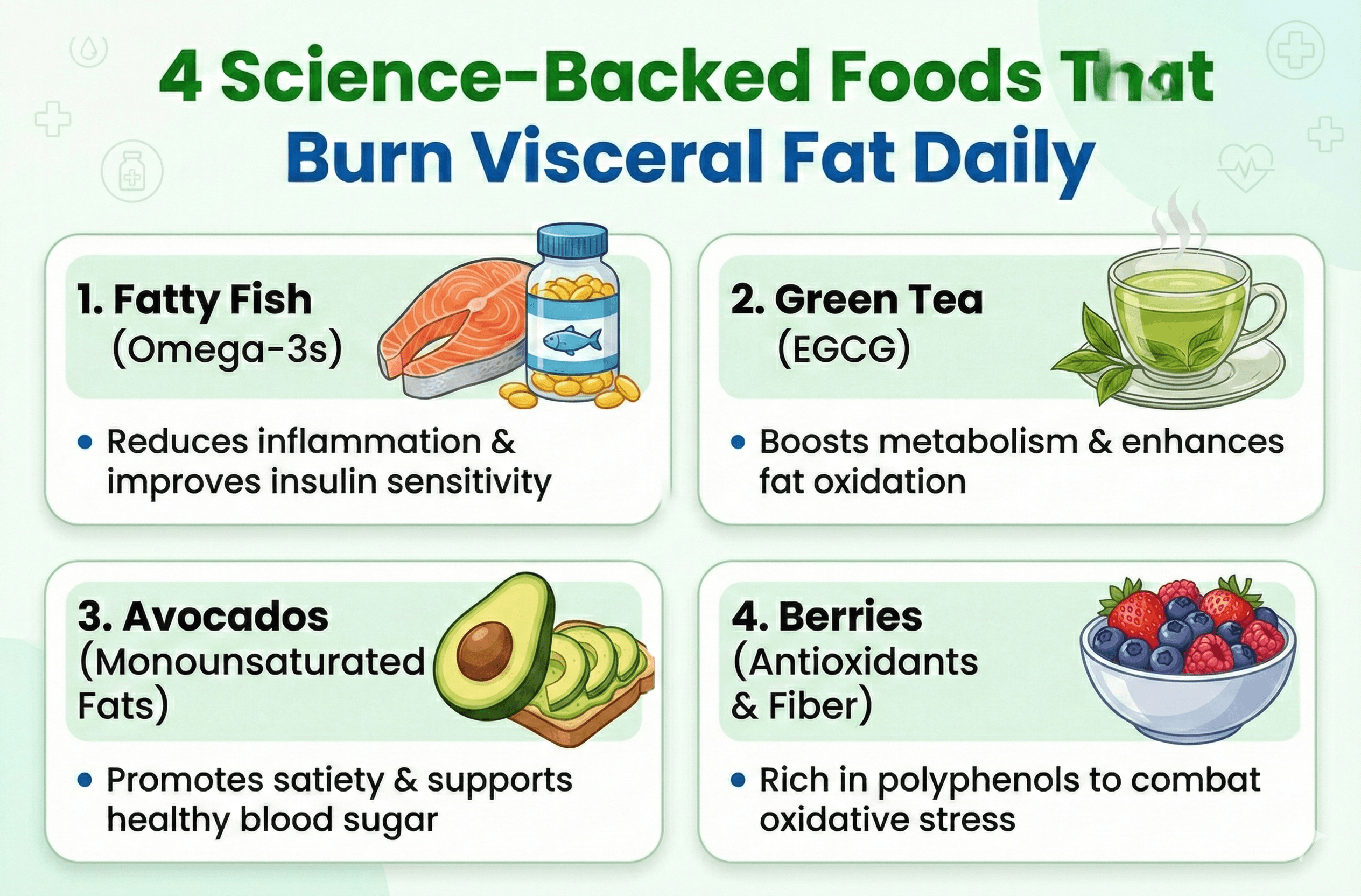
4 Science-Backed Foods That Burn Visceral Fat Daily

A medical doctor reveals 4 foods proven by science to target the most dangerous type of fat.
If you've been frustrated by belly fat that refuses to budge despite strict dieting and consistent exercise, you are not alone. More importantly, you may be targeting the wrong enemy. The soft fat you can pinch around your waist (subcutaneous fat) isn't necessarily the most dangerous. It is the visceral fat, the deep abdominal fat wrapped tightly around your internal organs, that poses the absolute greatest threat to your health.
While countless fad diets and supplements claim to support rapid weight loss, only a select few whole foods have robust, peer-reviewed scientific evidence showing they specifically target this metabolic menace.
As a medical doctor who has reviewed hundreds of clinical nutrition studies, I am sharing the four foods with the strongest scientific backing for reducing visceral fat. These aren't trendy, unproven superfoods or expensive synthetic supplements. They are highly accessible, whole foods that work through proven metabolic pathways to reduce the fat that matters most for your long-term healthspan.
The 4 Science-Backed Visceral Fat-Burning Foods
1. Avocados
Research published in the Journal of Nutrition found that daily avocado consumption led to significant, measurable reductions in visceral adipose tissue in adult women. Furthermore, a 2021 randomized controlled trial showed that participants who ate one fresh avocado daily for 12 weeks experienced a profound redistribution of abdominal fat, with specific, targeted reductions in deep visceral fat.
How it works: Avocados combat visceral fat through multiple distinct mechanisms:
- Monounsaturated fats: Specifically oleic acid, which actively improves cellular insulin sensitivity.
- High dietary fiber: Providing approximately 10 grams per avocado, this fiber promotes early satiety and heavily reduces overall daily caloric intake.
- Phytosterols: These plant compounds interfere with bad cholesterol absorption while actively reducing systemic inflammation.
2. Green Tea (and Matcha)
Green tea catechins, particularly epigallocatechin gallate (EGCG), have been extensively studied for their potent visceral fat-reducing properties. A comprehensive meta-analysis of 11 randomized controlled trials published in Obesity Reviews demonstrated that green tea catechin consumption significantly reduced body weight and helped maintain weight loss, with highly specific effects on abdominal fat.
How it works: The biological mechanism is fascinating:
- EGCG actively increases fat oxidation by up to 17% and enhances thermogenesis (your body's natural calorie-burning process).
- It simultaneously inhibits an enzyme called catechol-O-methyltransferase. This enzyme normally breaks down norepinephrine, a vital hormone that signals your fat cells to break down stored fat. By inhibiting this enzyme, green tea creates a prolonged fat-burning signal that is particularly effective on highly metabolically active visceral fat.
3. Fatty Fish (Salmon, Mackerel, Sardines)
Omega-3 fatty acids, specifically the EPA and DHA found abundantly in cold-water fatty fish, have demonstrated profound visceral fat reduction across multiple clinical trials. A 2015 study in the American Journal of Clinical Nutrition showed that omega-3 supplementation significantly reduced both liver fat and visceral adipose tissue in individuals suffering from nonalcoholic fatty liver disease.
How it works: Fatty fish targets fat primarily through anti-inflammatory pathways.
- Visceral fat is highly metabolically active and constantly produces inflammatory cytokines that perpetuate further fat storage.
- Omega-3s aggressively reduce this inflammation, improve cellular insulin sensitivity, and activate PPAR-alpha receptors in the body that specifically enhance fat oxidation.
- Additionally, the high protein content (20-25 grams per standard 3-ounce serving) drastically increases satiety and preserves vital lean muscle mass during weight loss phases.
4. Berries (Especially Blueberries)
A landmark study from the University of Michigan found that rats fed a blueberry-enriched diet had significantly less abdominal fat than control groups, even when both groups consumed the exact same number of total calories. Human studies have strongly corroborated these findings: research published in The Journal of Nutrition showed that anthocyanins, the specific compounds that give berries their rich blue and red colors, directly reduced visceral adiposity markers in adults.
How it works: Berries combat visceral fat through a multi-pronged attack:
- Polyphenols: Improve overall insulin sensitivity and smooth out glucose metabolism.
- Fiber: Slows the absorption of natural sugars, actively preventing the insulin spikes that directly promote abdominal fat storage.
- Anthocyanins: These compounds literally activate specific genes that enhance fat burning, while simultaneously suppressing the genes heavily involved in fat production and systemic inflammation.
Why Visceral Fat Is Medically Dangerous
Before we discuss how to easily incorporate these four foods into your daily routine, it is crucial to understand why visceral fat demands such targeted medical attention.
The Hidden Threat
Unlike subcutaneous fat (the jiggly fat directly under your skin that you can easily pinch), visceral fat is packed deep inside your abdominal cavity. It surrounds vital organs, including your liver, pancreas, and intestines. This isn't just inert storage tissue sitting there doing nothing, it is highly metabolically active. Visceral fat functions almost exactly like an invasive endocrine organ, constantly secreting harmful hormones and inflammatory substances into your bloodstream.
The Health Consequences
When you carry excess visceral fat, it produces a cascade of dangerous biological responses:
- Inflammatory cytokines: It pumps out proteins like IL-6 and TNF-alpha that create chronic, body-wide systemic inflammation. This is heavily linked to cardiovascular disease, arthritis, and dramatically accelerated aging.
- Resistin: It secretes a hormone that directly increases insulin resistance. This creates a vicious biological cycle where your body becomes less and less effective at regulating blood sugar, ultimately leading to type 2 diabetes.
- Excess cortisol: Through the activation of an enzyme called 11β-HSD1, visceral fat can actually generate its own cortisol. This perpetuates chronic stress responses and triggers even further abdominal fat accumulation.
- Free fatty acids: These are released directly into the portal vein that feeds your liver, leading directly to nonalcoholic fatty liver disease, highly elevated triglycerides, and severely impaired cholesterol metabolism.
Clinical research repeatedly shows that visceral fat is a far better predictor of early mortality risk than BMI or total body fat percentage. A shocking 2012 study in Mayo Clinic Proceedings found that normal-weight individuals with "central obesity" (excess visceral fat, often called "skinny fat") actually had the worst long-term survival rates compared to any other group—including those who were clinically obese but had proportionally less visceral fat.
How These Foods Target Visceral Fat
What makes avocados, green tea, fatty fish, and berries so special isn't just their general nutrient density, it is their highly specific, scientifically proven mechanisms for targeting visceral adipose tissue.
The Insulin Connection
All four of these foods actively improve insulin sensitivity. When your cells respond properly and quickly to insulin, glucose is efficiently shuttled into your muscle cells to be used for immediate energy, rather than being converted to triglycerides and stored as fat deep in the abdomen. The monounsaturated fats in avocados, the omega-3s in fatty fish, and the rich polyphenols in berries and green tea all actively enhance how your insulin receptors function.
Inflammation Reduction
Visceral fat thrives and expands in inflammatory environments. The omega-3s in fatty fish actively suppress these inflammatory pathways, while the dense antioxidants in berries neutralize the free radicals that trigger inflammation in the first place. Green tea's EGCG has been clinically shown to reduce major inflammatory markers, including C-reactive protein (CRP).
Hormonal Optimization
These specific foods heavily influence the master hormones that regulate your fat metabolism. Green tea increases adiponectin, a vital hormone that enhances fat burning but is typically heavily suppressed in people with high visceral fat. Avocados and fatty fish actively improve leptin sensitivity, helping your brain finally receive accurate "I'm full" satiety signals.
Gene Expression
Perhaps most remarkably, the active compounds in these foods can actually influence which of your genes are turned on or off. Berry anthocyanins and green tea catechins have been clinically shown to downregulate the specific genes involved in fat synthesis and upregulate the genes involved in fat oxidation, essentially reprogramming your metabolism to burn fat at the cellular level.
Your Daily Visceral Fat-Burning Eating Pattern
Knowing which foods work is only half the equation. The real, measurable medical results come from consistent daily implementation. Here is a practical framework to integrate these foods.
Morning Protocol (7:00 AM - 9:00 AM)
- Start with green tea: Brew 1-2 cups of high-quality green tea or prepare matcha (which contains up to 137 times more EGCG than standard bagged green tea). Consume it on an empty stomach or alongside a light breakfast to absolutely maximize catechin absorption.
- Breakfast option: Plain, unsweetened Greek yogurt generously topped with 1 cup of mixed berries (blueberries, strawberries, raspberries). The high protein in the yogurt powerfully enhances satiety, while the berries provide your daily anthocyanins. Add a tablespoon of ground flaxseed for additional fiber and plant-based omega-3s.
Midday Meal (12:00 PM - 2:00 PM)
- Salmon salad: 4-6 ounces of grilled or baked wild-caught salmon served over mixed dark greens, topped with half a sliced avocado. Dress simply with extra virgin olive oil and fresh lemon juice. This combination delivers omega-3s, monounsaturated fats, dense fiber, and high protein, making it the ultimate, complete visceral fat-fighting meal.
- Green tea: Enjoy another cup 30-60 minutes after eating to support continued post-meal fat oxidation.
Afternoon Snack (3:00 PM - 4:00 PM)
- Berry smoothie: Blend 1 cup of mixed berries, the remaining half of your avocado, unsweetened almond milk, and a large handful of fresh spinach. This provides sustained afternoon energy, absolutely prevents the blood sugar crashes that trigger junk food cravings, and delivers multiple visceral fat-fighting compounds in one glass.
Evening Meal (6:00 PM - 8:00 PM)
- Fatty fish with vegetables: 4-6 ounces of mackerel, sardines, or salmon paired with heavily roasted vegetables. (If you had salmon at lunch, intentionally choose a different fatty fish for dinner to ensure nutrient variety). Include highly fibrous, cruciferous vegetables like broccoli, Brussels sprouts, or asparagus.
- Dessert option: A small bowl (1/2 cup) of fresh, un-sweetened berries. This perfectly satisfies evening sweet cravings while continuing to deliver fat-burning anthocyanins before bed.
Before Bed
- Final green tea: Opt for a high-quality decaffeinated green tea if caffeine negatively affects your sleep architecture. The catechins will continue working overnight to support baseline fat oxidation.
Daily Dosing and Frequency Guidelines
Based on the clinical research, aim for these targets:
- Green tea: 3-5 cups daily, or 1-2 servings of high-quality matcha (providing approximately 400-500mg of active catechins).
- Fatty fish: A minimum of 3-4 servings per week (totaling 12-16 ounces).
- Avocado: 1 whole avocado per day (this was the specific dose used in the study showing visceral fat reduction).
- Berries: 1-2 cups daily, using either fresh or frozen (frozen berries retain all their anthocyanins).
Enhancing Your Results
What You Must Minimize
While actively adding these four foods is crucial, aggressively removing visceral fat promoters is equally important for success:
- Refined sugars and simple carbohydrates: These rapidly spike insulin and directly promote rapid visceral fat accumulation.
- Artificial trans fats: Commonly found in highly processed foods, they massively increase systemic inflammation and visceral adiposity.
- Excess alcohol: Because it is metabolized almost entirely by the liver, excess alcohol heavily promotes visceral fat deposition (the classic "beer belly").
- Processed meats: Items like bacon, sausage, and deli meats are exceptionally high in inflammatory compounds that worsen visceral fat storage.
Supportive Lifestyle Factors
- Sleep: You must aim for 7-9 hours nightly. Chronic sleep deprivation increases cortisol and ghrelin (your hunger hormone) while simultaneously decreasing leptin (your satiety hormone). This exact hormonal profile strongly promotes visceral fat storage.
- Stress management: Chronic, unmanaged psychological stress keeps cortisol elevated, which preferentially deposits fat directly into the visceral compartment. Practice daily meditation, deep breathing, or yoga.
- Movement: While your diet is the primary driver, moderate daily exercise (especially heavy resistance training and high-intensity interval training) heavily enhances the visceral fat-burning effects of these foods by vastly improving cellular insulin sensitivity and building metabolically active muscle mass.
Realistic Timeline and Expectations
Based on the clinical trials, here is what you can expect:
- Weeks 1-2: Markedly reduced bloating, lowered inflammation, and improved daily energy as your cellular insulin sensitivity begins to wake up and improve.
- Weeks 4-6: Measurable, undeniable changes in your waist circumference (typically losing 1-2 inches).
- Weeks 8-12: Highly significant visceral fat reduction that would be clearly visible on imaging studies; vastly improved metabolic blood markers (lower fasting blood sugar, lower triglycerides, and improved liver enzymes).
- Beyond 12 weeks: Continued, gradual reduction with sustained dietary adherence.
Crucial Note: Visceral fat responds much faster to dietary changes than subcutaneous fat. You will likely notice your pants fitting looser and your waist shrinking long before seeing major changes in your arms or legs. From a medical and longevity standpoint, this is actually the ideal, healthiest pattern of fat loss.
Maryland Trim Clinic (MTC) in Laurel, MD
Targeting stubborn visceral fat requires more than just adding a few healthy foods to your diet; it often requires a comprehensive understanding of your unique metabolic health. If you are struggling with central obesity, insulin resistance, or a sluggish metabolism, professional medical guidance can make all the difference. At the Maryland Trim Clinic (MTC) in Laurel, MD, we specialize in helping patients address the root causes of stubborn weight gain.
Our clinic provides evidence-based, highly personalized care. Whether you are looking for a structured medical weight loss program to help safely reduce visceral fat, or you are interested in exploring advanced therapies like GLP-1 weight loss injections to help regulate insulin and quiet food noise, our team is equipped to support you. We also offer comprehensive metabolic testing and analysis to give you a clear, scientific picture of how your body is currently burning fuel. If you are ready to take a medical approach to your health and finally tackle dangerous belly fat, visit the Maryland Trim Clinic online to learn how our experts can help you achieve sustainable results.
The Bottom Line
Visceral fat isn't just a cosmetic annoyance, it is a severe, active medical threat that significantly increases your lifetime risk of heart disease, type 2 diabetes, cancer, and early mortality. But you are not powerless against it.
These four scientifically validated foods, avocados, green tea, fatty fish, and berries, work through proven, well-documented metabolic pathways to specifically target and dismantle this dangerous fat.
The absolute key is daily consistency. These foods do not work through dramatic overnight transformations, but through steady, powerful metabolic improvements that compound over weeks and months. By incorporating all four into your daily eating pattern, you are not following a miserable, restrictive diet, you are adopting a highly sophisticated, evidence-based nutritional strategy that perfectly aligns with how your human body actually metabolizes and stores fat.
Start with just one meal. Perhaps tomorrow's breakfast includes a cup of berries and a mug of green tea. Then add salmon to your lunch on Wednesday. Gradually build until these foods become automatic, non-negotiable parts of your routine. The medical research is crystal clear: when you prioritize these visceral fat-fighting foods daily, you are not just losing weight, you are fundamentally improving your metabolic health and extending your longevity.
Disclaimer: The information provided in this article is for educational purposes only and is not intended as a substitute for professional medical advice, diagnosis, or treatment. Always seek the advice of your physician or other qualified health provider before making drastic changes to your diet, especially if you have pre-existing medical conditions or are taking prescription medications.
Frequently Asked Questions
Q: How long does it actually take to see visceral fat reduction from these foods? A: Based on clinical studies, most people begin seeing measurable, physical results within 4-6 weeks of strict daily consumption, with highly significant reductions typically occurring by the 8-12 week mark. The timeline varies based on your starting visceral fat levels, your overall diet quality, sleep, stress, and physical activity levels. Importantly, your waist circumference often decreases long before you see massive changes on the scale, as visceral fat responds much faster to dietary improvements than jiggly subcutaneous fat.
Q: Can I eat these foods if I have diagnosed diabetes or prediabetes? A: Yes, and these specific foods are particularly beneficial for individuals dealing with diabetes or prediabetes. All four foods actively improve cellular insulin sensitivity and help regulate fasting blood sugar. Fatty fish and avocados have virtually zero impact on blood glucose, while berries have a very low glycemic index due to their fiber. Green tea has been repeatedly shown to improve glycemic control. However, always consult your physician or endocrinologist before making significant dietary changes, as rapidly improved insulin sensitivity may require your doctor to adjust your current medications to prevent hypoglycemia.
Q: Do I absolutely need to exercise, or will these foods alone reduce visceral fat? A: These foods can absolutely reduce visceral fat even without exercise, as demonstrated in several clinical trials where diet was the sole intervention. However, combining this targeted eating pattern with regular physical activity, especially heavy resistance training and high-intensity interval training (HIIT), significantly accelerates and enhances your results. Exercise vastly improves insulin sensitivity, builds metabolically active muscle tissue, and creates a hormonal environment that accelerates visceral fat loss. For optimal health, aim for both dietary improvements and at least 150 minutes of moderate-to-intense activity weekly.
Q: Are supplements just as effective as eating these whole foods? A: Generally speaking, no. While high-quality green tea extract supplements and omega-3 fish oil capsules do show some benefits in clinical research, whole foods provide a massive array of synergistic compounds that work together far more effectively than isolated, synthetic nutrients. For example, whole berries contain necessary fiber, vitamin C, and dozens of phytonutrients alongside the active anthocyanins. Whole avocados provide crucial fiber and potassium along with their healthy fats. Furthermore, whole foods promote physical satiety and actively replace less healthy, processed options in your diet. If you absolutely cannot consume fatty fish regularly, a high-quality, third-party-tested omega-3 supplement (with at least 1000mg combined EPA/DHA) can serve as an acceptable backup.
Q: Exactly how much visceral fat is considered medically dangerous? A: Precise visceral fat volume is typically measured through expensive imaging (CT or MRI scans or DEXA), but highly practical at-home indicators include your waist circumference and your waist-to-hip ratio. For waist circumference, measurements above 35 inches for women and 40 inches for men indicate a severely increased health risk. A waist-to-hip ratio above 0.85 for women and 0.90 for men strongly suggests excess, dangerous visceral fat. On clinical imaging studies, a visceral fat area above 100 cm² is associated with significantly increased metabolic and cardiovascular risk. Your primary care physician can easily assess your individual risk based on these simple measurements alongside your metabolic blood markers like fasting glucose, triglycerides, and blood pressure.
Ready to Target Stubborn Belly Fat?
Stop fighting your biology with crash diets. Schedule a comprehensive consultation with the medical experts at Maryland Trim Clinic today to discuss personalized strategies, advanced metabolic testing, and medical weight loss solutions designed to safely target dangerous visceral fat and optimize your long-term health.