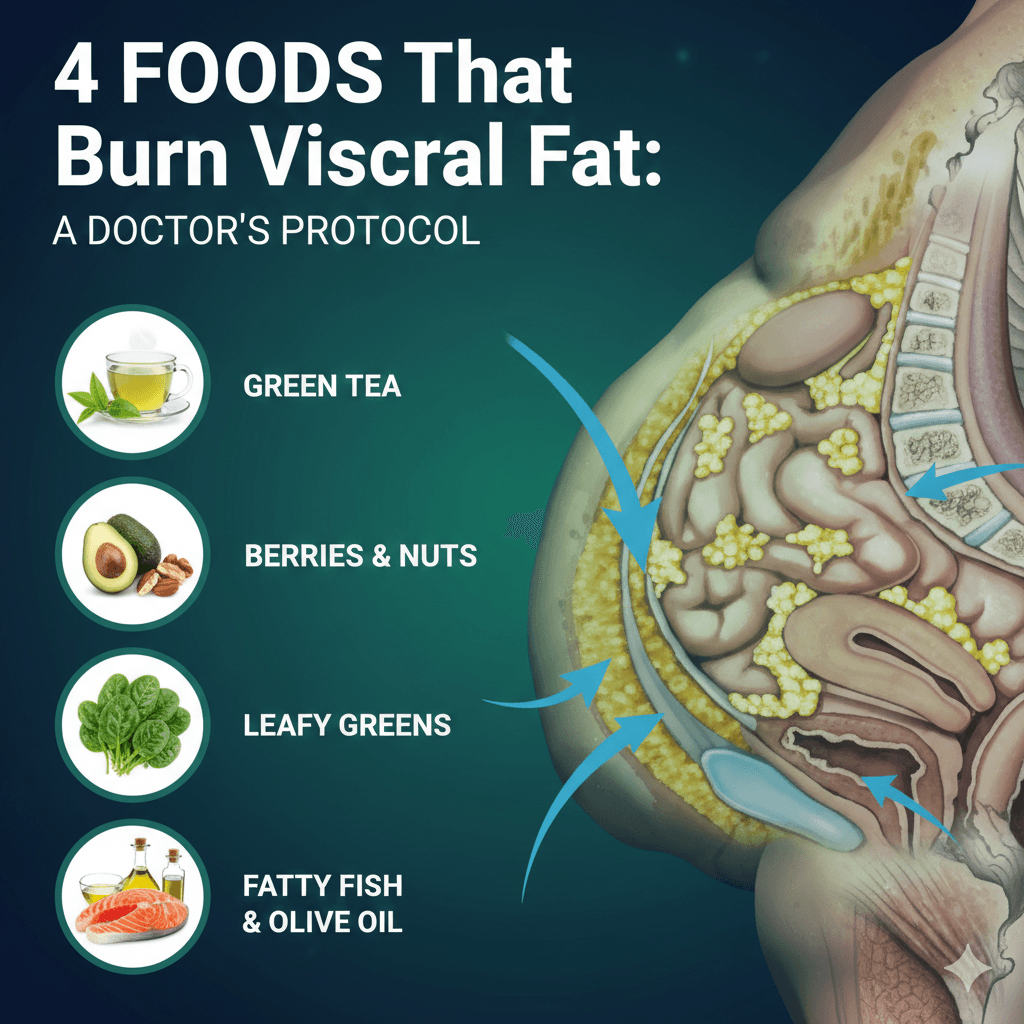
4 Foods That Burn Visceral Fat: A Doctor's Protocol

This doctor reveals 4 foods that specifically target deadly visceral fat, and the science behind why they work when traditional dieting fails.
The Hidden Fat Crisis: Why Your Scale Isn't Telling the Full Story
If you've been frustrated by stubborn belly fat that refuses to budge despite strict calorie restriction and hours of exercise, you are not alone. But here is what most people don't realize: not all fat is created equal, and the most dangerous type doesn't always show up as prominently on your bathroom scale.
The fat you can physically pinch, the subcutaneous fat that sits just beneath your skin, is relatively benign from a metabolic standpoint. The real threat lurks deeper: visceral adipose tissue that wraps tightly around your vital organs, infiltrating your liver, pancreas, and intestines.
Visceral fat doesn't just sit there; it functions as an active endocrine organ, constantly pumping out inflammatory cytokines, disrupting normal insulin signaling, and fundamentally altering your metabolic processes. Research published in the Journal of Clinical Endocrinology & Metabolism demonstrates that visceral fat correlates directly with:
- Type 2 diabetes risk (up to 7x higher in those with elevated visceral adiposity)
- Cardiovascular disease (independent of total body weight)
- Metabolic syndrome (characterized by insulin resistance, hypertension, and dyslipidemia)
- Non-alcoholic fatty liver disease (NAFLD)
- Certain cancers (including colorectal, breast, and endometrial)
The frustrating truth? Visceral fat responds very differently to dietary interventions than subcutaneous fat. While generalized caloric restriction may reduce your overall body weight, it doesn't necessarily target the highly inflammatory, metabolically active fat suffocating your organs. This is exactly where a targeted, evidence-based nutritional protocol becomes essential.
The Four Foods That Activate Visceral Fat-Burning Pathways
After reviewing hundreds of peer-reviewed studies and clinical trials, a clear biological pattern emerges: certain foods trigger specific metabolic pathways that preferentially mobilize visceral adipose tissue. Here is what the science reveals.
Food Category #1: Soluble Fiber Sources
(Target: 10-15g Daily)
The Mechanism: Soluble fiber doesn't just fill you up, it fundamentally alters visceral fat metabolism through multiple distinct pathways. When your gut bacteria ferment soluble fiber, they produce short-chain fatty acids (SCFAs), particularly acetate, propionate, and butyrate. These SCFAs actively trigger AMP-activated protein kinase (AMPK), a master metabolic switch in the body that increases fat oxidation (fat burning).
A landmark study in the journal Obesity followed 1,114 participants over five years and found that for every 10-gram increase in daily soluble fiber intake, visceral fat accumulation decreased by 3.7% annually, even without any other dietary changes.
Top Sources to Include:
- Oats and barley: (Beta-glucan content: 3-8g per cup)
- Legumes: (Black beans, lentils, chickpeas: 5-7g per cup)
- Brussels sprouts and broccoli: (2-3g per cup)
- Avocado: (Nearly 5g per medium fruit)
- Chia seeds and flaxseeds: (10g per 2 tablespoons)
Clinical Application: Aim for a source of soluble fiber at each meal rather than taking one large dose. This sustains SCFA production throughout the day and maintains the active metabolic signaling that reduces visceral fat storage.
Food Category #2: Omega-3 Rich Foods
(Target: 2-3g EPA/DHA Daily)
The Mechanism: Omega-3 fatty acids, particularly EPA (eicosapentaenoic acid) and DHA (docosahexaenoic acid), combat visceral fat primarily through potent anti-inflammatory pathways. Visceral adipose tissue naturally produces inflammatory markers like IL-6 and TNF-alpha that perpetuate insulin resistance and further fat storage. Omega-3s directly antagonize and quiet these exact pathways.
Research in The American Journal of Clinical Nutrition demonstrated that participants supplementing with 3g of fish oil daily for 12 weeks experienced highly significant reductions in visceral fat mass (measured by CT scan) compared to placebo groups, without changing their total caloric intake.
Top Sources to Include:
- Wild-caught salmon: (1.5-2g per 3-oz serving)
- Sardines: (1.3g per 3-oz serving)
- Mackerel: (2.5g per 3-oz serving)
- Herring: (1.7g per 3-oz serving)
- Algae-based supplements: (The best option for plant-based protocols)
Clinical Application: Consume fatty fish 3 to 4 times weekly, or utilize a high-quality, third-party-tested fish oil supplement standardized to EPA/DHA content. Note: Plant-based omega-3s (ALA from walnuts and flaxseed) require biological conversion to EPA/DHA, which occurs at only a 5-10% efficiency rate in most individuals, making marine sources or algae supplements much more effective for this specific goal.
Food Category #3: Polyphenol-Rich Foods
(Target: 500-1000mg Daily)
The Mechanism: Polyphenols are powerful plant compounds that activate thermogenesis and dramatically increase fatty acid oxidation specifically within visceral adipose tissue. They work by upregulating uncoupling protein-1 (UCP-1) in brown adipose tissue and actively enhancing mitochondrial biogenesis (creating more energy-burning powerhouses in your cells).
A comprehensive meta-analysis of 15 randomized controlled trials published in Nutrients found that polyphenol interventions significantly reduced visceral fat area, with the most pronounced biological effects coming from anthocyanins, catechins, and resveratrol.
Top Sources to Include:
- Green tea: (EGCG content: 200-300mg per cup; aim for 3-4 cups daily)
- Berries: (Blueberries, blackberries, raspberries: 300-400mg per cup)
- Dark chocolate: (70%+ cacao minimum: 200mg per ounce)
- Extra virgin olive oil: (Oleuropein and hydroxytyrosol: 50-100mg per tablespoon)
- Red cabbage and purple sweet potatoes: (Anthocyanins: 100-200mg per cup)
Clinical Application: The absolute key here is variety and consistency. Different polyphenols work through complementary pathways, so actively rotating your sources maximizes the metabolic impact. Green tea combined with berries shows particularly strong synergistic fat-burning effects in clinical trials.
Food Category #4: Fermented Foods
(Target: 1-2 Servings Daily)
The Mechanism: The gut microbiome plays a surprisingly pivotal role in visceral fat accumulation. Clinical research has identified specific bacterial strains (particularly Lactobacillus and Bifidobacterium species) that actively reduce visceral adiposity by improving gut barrier integrity, reducing systemic endotoxemia, and modulating how your body processes bile acids.
A groundbreaking study in Nature demonstrated that a patient's gut microbiome composition could actually predict their visceral fat mass with 75% accuracy, and that direct interventions with fermented foods shifted those microbial populations toward profiles heavily associated with lower visceral adiposity.
Top Sources to Include:
- Plain kefir: (12+ active probiotic strains; 1 cup daily)
- Sauerkraut and kimchi: (Must be unpasteurized/refrigerated; ½ cup daily)
- Greek yogurt: (Look for "live and active cultures"; 1 cup daily)
- Kombucha: (2-4 oz daily; watch out for high added sugar content)
- Miso: (1-2 tablespoons in warm soup or homemade dressings)
Clinical Application: Always choose unpasteurized, refrigerated versions when possible, as heat processing completely destroys the beneficial bacteria. Introduce these foods gradually to avoid sudden digestive discomfort, and combine them with prebiotic fibers (from Category #1) to ensure the bacteria properly colonize in your gut.
Your Daily Eating Pattern for Sustained Metabolic Benefits
Knowing which foods target visceral fat is only half the equation. The timing and structure of your daily eating pattern significantly impacts how effectively your body mobilizes this dangerous fat.
The Evidence-Based Framework
Morning (7:00 - 9:00 AM): Begin with a soluble fiber and polyphenol combination to activate metabolic pathways early in the day.
- Example: Steel-cut oats topped with fresh berries, ground flaxseed, and a large mug of green tea. This establishes favorable SCFA production and thermogenic signaling for the hours ahead.
Midday (12:00 - 2:00 PM): Center your largest meal around omega-3 rich protein with abundant, fibrous vegetables.
- Example: Wild salmon served over mixed greens with a heavy olive oil dressing, a side of roasted Brussels sprouts, and a small bowl of lentil soup. This provides sustained satiety while delivering massive anti-inflammatory compounds during your peak metabolic window.
Evening (6:00 - 8:00 PM): Conclude with a lighter meal emphasizing fermented foods and additional fiber.
- Example: Grilled chicken or tempeh served with a side of kimchi, sautéed purple cabbage, and a small baked sweet potato. Finish with a single ounce of dark chocolate (70%+ cacao).
Between Meals: Stick to unsweetened green tea, sparkling water with lemon, or a few ounces of low-sugar kombucha to maintain polyphenol exposure without spiking your blood sugar.
Timeline and Realistic Expectations
Based on the clinical research, here is a realistic timeline of what to expect:
- Weeks 1-2: Improved daily satiety, significantly reduced bloating, and better digestion.
- Weeks 4-6: Measurable changes in your waist circumference (typically losing 1-2 inches).
- Weeks 8-12: Highly significant visceral fat reduction that would be detectable by clinical imaging (averaging a 10-15% decrease).
- 6+ Months: Sustained metabolic improvements including much better insulin sensitivity, reduced inflammation markers, and a major reduction in overall cardiovascular risk.
Importantly, visceral fat almost always responds before subcutaneous fat does. You will likely notice your clothes fitting better around your midsection even before the scale shows dramatic numerical changes.
Critical Implementation Notes
Consistency trumps perfection: Aim for 80% adherence to see real results. One occasional deviation won't derail your biological progress.
Quality matters: Choose organic when possible for the "Dirty Dozen" produce items, and always select wild-caught over farmed fish to minimize your exposure to inflammatory compounds.
Hydration is essential: Adequate water intake supports the dietary fiber's mechanism and actively enhances cellular fat mobilization.
Sleep and stress: No nutritional protocol on earth can overcome chronic sleep deprivation (getting <7 hours) or severe, unmanaged stress. Both of these wildly elevate cortisol and actively promote visceral fat storage.
Medical monitoring: If you have existing metabolic conditions (like diabetes or cardiovascular disease), work closely with your healthcare provider to monitor improvements in relevant biomarkers: fasting insulin, HbA1c, lipid panels, and inflammatory markers like hsCRP.
Maryland Trim Clinic (MTC) in Laurel, MD
Targeting deep, stubborn visceral fat requires more than just willpower; it requires a deep medical understanding of how your unique metabolism functions. If you are struggling with central obesity, insulin resistance, or a sluggish metabolism, the team at Maryland Trim Clinic (MTC) in Laurel, MD, can provide the specialized support you need to finally see results.
We focus on the root causes of weight gain, providing a comprehensive, physician-led approach to fat loss. Whether you are looking for a highly structured medical weight loss program to guide your nutrition, or you need advanced metabolic testing and analysis to precisely determine how your body is currently burning fuel, our clinical team is here to help. For patients who qualify, we also offer therapies like GLP-1 weight loss injections to help regulate blood sugar and manage appetite while you implement these crucial lifestyle changes. Stop fighting your biology alone. Visit the Maryland Trim Clinic online today to learn how our medical experts can help you safely target dangerous visceral fat and optimize your long-term health.
The Bottom Line
Visceral fat isn't just a cosmetic annoyance, it is a severe metabolic emergency that responds beautifully to targeted nutritional intervention. By incorporating these four evidence-based food categories into a structured daily eating pattern, you actively trigger the specific biological pathways that mobilize dangerous deep belly fat.
The science is overwhelmingly clear: soluble fiber, omega-3 fatty acids, polyphenols, and fermented foods work synergistically to drastically reduce visceral adiposity through complementary mechanisms—SCFA production, anti-inflammatory signaling, thermogenesis, and microbiome optimization.
Start with just one category this week, add another next week, and slowly build toward the complete protocol. Your vital organs, and your long-term metabolic health, will thank you.
Disclaimer: The information provided in this article is for educational purposes only and is not intended as a substitute for professional medical advice, diagnosis, or treatment. Always seek the advice of your physician or other qualified health provider before making drastic changes to your diet, especially if you have pre-existing medical conditions.
Frequently Asked Questions
Q: How can I measure my visceral fat levels at home? A: While the absolute gold standard for visceral fat measurement is CT or MRI imaging, you can get a very reasonable estimate at home by measuring your waist circumference. Measure securely around your navel (not at the narrowest point of your waist). For men, measurements above 40 inches strongly suggest elevated visceral fat; for women, it is above 35 inches. The waist-to-hip ratio is another excellent option: divide your waist circumference by your hip circumference. Ratios above 0.90 (men) or 0.85 (women) indicate higher, dangerous visceral fat levels.
Q: Can I just take supplements instead of eating all these specific foods? A: While supplements can absolutely support your protocol—particularly fish oil for omega-3s and probiotics for gut health—whole foods provide highly synergistic compounds that isolated pills simply cannot replicate. For example, fresh berries deliver polyphenols alongside necessary fiber, vitamin C, and other phytonutrients that all work together. Research consistently shows superior health outcomes with food-based interventions. However, if dietary restrictions prevent you from accessing certain categories, high-quality supplements are a very reasonable alternative. Prioritize a high-quality fish oil (2-3g EPA/DHA) and consider green tea extract if you absolutely do not enjoy drinking tea.
Q: How long before I see results on the bathroom scale? A: This is where your expectations need serious recalibration. Visceral fat loss almost always precedes significant scale changes because you are losing highly dense, metabolically active tissue while potentially gaining muscle mass (especially if you are exercising). Many people lose 1-2 full inches from their waist circumference in 4-6 weeks, while the scale moves only 3-5 pounds. Focus entirely on non-scale victories: how your pants fit, your daily energy levels, and your metabolic blood markers. By 12 weeks, most people following this protocol deeply notice the physical changes.
Q: Do I need to exercise, or will the diet alone work? A: The food protocol targets visceral fat through specific metabolic pathways and will produce results completely independently. However, combining this nutritional approach with exercise, particularly high-intensity interval training (HIIT) and heavy resistance training, accelerates visceral fat loss massively. Research shows that diet plus exercise reduces visceral fat 30-40% more effectively than diet alone. Even moderate activity, like brisk walking for 30 minutes daily, enhances the mechanisms discussed: it improves insulin sensitivity and supports the anti-inflammatory effects of your diet. Start with the nutrition protocol, then layer in movement as you build energy.
Q: What if I am a strict vegetarian or vegan? Can I still follow this protocol? A: Absolutely. Here are the simple modifications: For omega-3s, you must use algae-based DHA/EPA supplements (1-2g daily) and consume ground flaxseed, chia seeds, and walnuts for ALA. For fermented foods, focus entirely on sauerkraut, kimchi, kombucha, and plant-based yogurts that contain live cultures. All other categories (soluble fiber and polyphenols) are naturally plant-based. Some studies actually suggest that plant-based diets may enhance visceral fat loss due to higher baseline fiber intake and improved gut microbiome diversity, provided you properly address the omega-3 gap with algae supplementation.
Ready to Target Stubborn Belly Fat?
Stop relying on generic diet advice and start using medical science to your advantage. Schedule a comprehensive consultation with the medical weight loss experts at Maryland Trim Clinic today to discuss personalized strategies, advanced testing, and clinical solutions designed to safely target dangerous visceral fat.