Natural Ozempic Alternative: The $1 Food That Works


This $1 food activates the same pathways as Ozempic - here's exactly how to use it. That claim shows up constantly right now, and it's not a coincidence. Ozempic and similar GLP-1 medications are expensive, often unavailable without a long prescription process, and come with a known list of side effects ranging from nausea to more serious digestive issues. That combination has pushed a lot of people to search for food-based ways to get some of the same metabolic benefits without the cost or the risk.
The honest answer is that no food replicates a pharmaceutical GLP-1 agonist exactly. But several inexpensive, well-studied foods do stimulate the same biological pathway, GLP-1 release from the gut, using mechanisms your body already has. Understanding how that works helps you use food strategically instead of just hoping a viral claim pans out.
Maryland Trim Clinic note: Maryland Trim Clinic in Laurel, MD treats food strategies as part of a personalized medical weight-loss plan, not as a one-food replacement for prescription therapy.
Five Ways Food Taps Into the GLP-1 Pathway
GLP-1 is a hormone released by L-cells in your intestinal lining. Ozempic works by mimicking this hormone directly. Food can't inject a synthetic version, but it can trigger your own L-cells to release more of it, and it can do that through several distinct routes.
1. Fermentable fiber and resistant starch. When fiber reaches your colon undigested, gut bacteria ferment it into short-chain fatty acids. Those SCFAs bind to receptors on L-cells and trigger natural GLP-1 release. This is the main mechanism behind the viral "$1 food" claim.
2. Protein-first eating. Protein is one of the strongest direct stimulators of GLP-1 and PYY (a related satiety hormone). Eating protein before carbohydrates in a meal measurably changes the hormonal response to that meal.
3. Acidic foods like vinegar. Vinegar slows gastric emptying and blunts the blood sugar spike after a meal, which indirectly supports more stable GLP-1 signaling over the following hours.
4. Bitter compounds. Bitter melon, bitter greens, and similar foods contain compounds that interact with taste receptors found not just on your tongue but in your gut lining, some of which are linked to GLP-1 secretion.
5. Healthy fats and the ileal brake. Fat reaching the lower small intestine slows digestion and triggers a feedback loop, sometimes called the ileal brake, that also involves GLP-1 release.
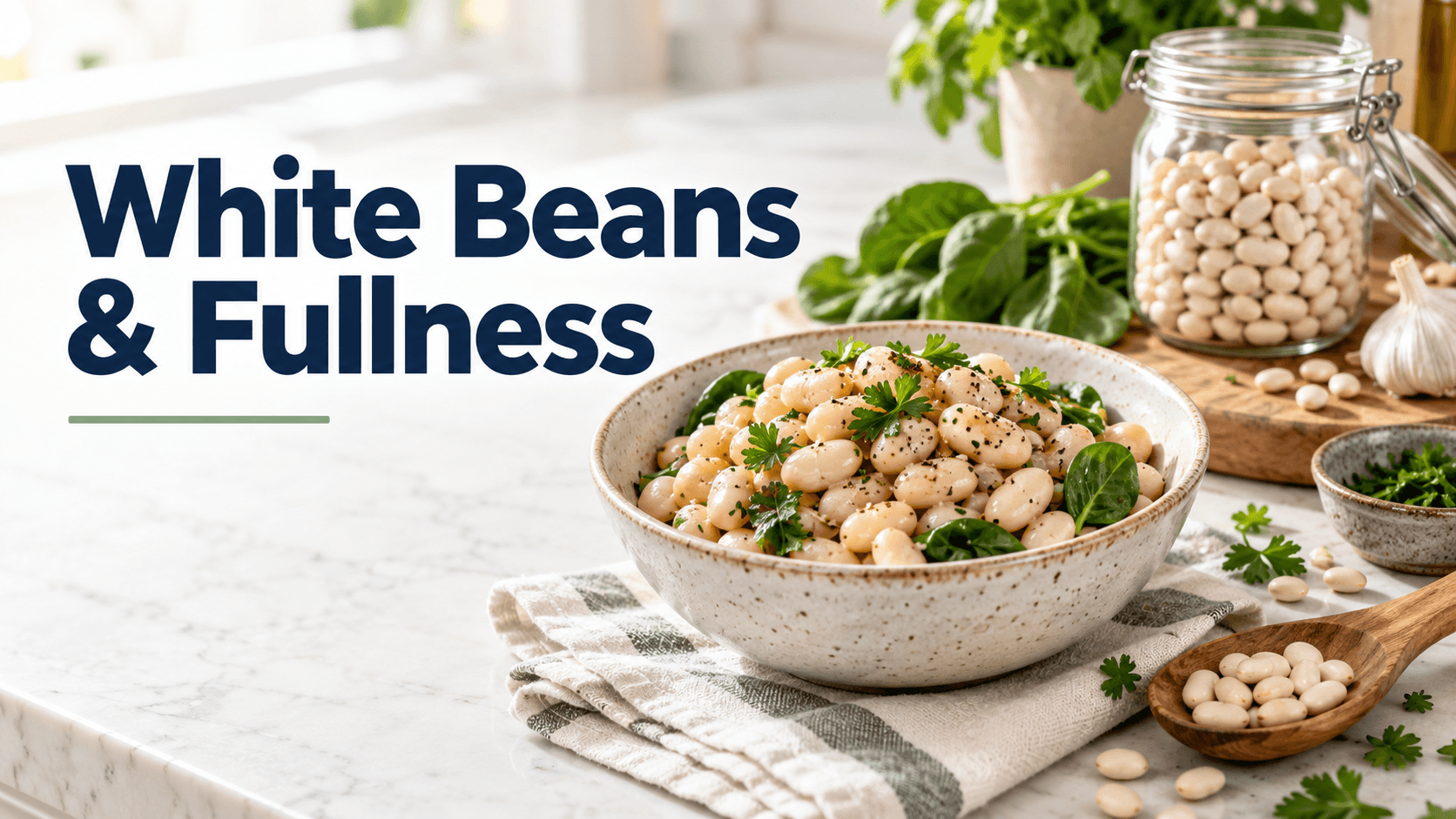
The food most associated with the viral "$1 food" claim is canned or dried white beans (cannellini or navy beans). They're cheap, widely available, and unusually high in both soluble fiber and resistant starch, making them one of the more efficient everyday foods for triggering mechanism #1.
Why These Approaches Work on Different Timelines
Not all five mechanisms act on the same schedule, and this is where a lot of people get frustrated and give up too early.
• Mechanism: Fiber/resistant starch (beans) — Timeline to notice effect: 2-4 weeks — Consistency needed: Daily, gradual increase
• Mechanism: Protein-first eating — Timeline to notice effect: Same meal — Consistency needed: Every meal
• Mechanism: Vinegar before meals — Timeline to notice effect: Same meal to next day — Consistency needed: Most meals
• Mechanism: Bitter foods — Timeline to notice effect: Days to weeks — Consistency needed: Regular exposure
• Mechanism: Healthy fats (ileal brake) — Timeline to notice effect: Same meal — Consistency needed: Per meal, not cumulative
The fiber pathway is the slowest because it depends on your gut microbiome adapting. Beans work by feeding bacteria that produce SCFAs, and that bacterial population needs time to build up if your diet has been low in fiber. This is also why some people report bloating or gas in the first one to two weeks, that's the adjustment period, not a sign the approach is failing.
Protein-first eating and vinegar act faster because they influence the current meal's digestion directly, without needing a microbiome shift. That makes them useful for people who want a noticeable effect sooner, but the benefit resets meal to meal rather than building over time the way fiber fermentation does.
This is the core tradeoff: fast-acting methods give you quicker feedback but weaker cumulative effect. Slow-acting methods like consistent bean intake build a stronger baseline but require patience most people underestimate.
Combining Methods for the Best Result

A simple, practical protocol looks like this:
- Add a half-cup to one cup of white beans to one or two meals a day, starting with a smaller amount and increasing over two to three weeks.
- Eat protein first at each meal, before carbs or fat.
- Include a small amount of diluted vinegar (like apple cider vinegar in a dressing) before higher-carb meals.
- Rotate in bitter greens a few times a week.
- Add a source of healthy fat, like olive oil or avocado, to slow digestion further.
No single change here mimics a GLP-1 medication's effect on its own. Combined and sustained, they work on overlapping parts of the same pathway, which is the closest food-based approach gets to a meaningful, sustained result. Anyone currently on GLP-1 medication or managing diabetes should talk to a doctor before making significant dietary changes, since fiber and blood sugar shifts can interact with medication dosing.
- Use food strategies to support satiety and nutrition, not to mimic a prescription drug claim
- Review medication decisions with a licensed clinician
- Use metabolic and nutrition data to personalize the plan
The clinic offers nutritional counseling, metabolic testing, medical weight-loss evaluation, and GLP-1 therapy with semaglutide or tirzepatide when appropriate. That combination allows patients to discuss what food can realistically do, whether medication is appropriate, and how to build a plan that can be sustained over time.
Foods that support fullness, fiber intake, or blood-sugar control can be useful, but they should not be presented as a one-food substitute for prescription medication. At Maryland Trim Clinic in Laurel, MD, nutrition is treated as one part of a personalized medical weight-loss plan rather than as a shortcut or a replacement for appropriate clinical care.
How Maryland Trim Clinic Frames Food and GLP-1 Treatment
Common Mistakes to Avoid
- Expecting food to match a prescription drug's effect size. It can support the same pathway, not replace clinical-grade dosing.
- Increasing fiber too quickly, which causes bloating that leads people to quit before the adjustment period ends.
- Using only one method (just beans, or just vinegar) instead of stacking the approaches described above.
- Ignoring hydration, since fiber needs adequate water intake to work as intended.
- Trusting marketing claims about "GLP-1 boosting" products without checking what's actually backing the claim.
- Stopping or changing medication based on a food strategy without medical guidance.
Conclusion
The search for a natural Ozempic alternative isn't unreasonable given the cost and side effect profile of GLP-1 medications, but the realistic answer is nuanced. Cheap, accessible foods like white beans can genuinely stimulate the same GLP-1 pathway through fiber fermentation, and pairing that with protein-first eating, vinegar, bitter foods, and healthy fats gives you multiple angles on the same system. It's not a drug replacement, but it is a low-cost, low-risk place to start before or alongside a medical conversation about stronger options.
Frequently Asked Questions
What is the $1 food referenced in these viral claims?
Most versions of this claim point to canned or dried white beans, such as cannellini or navy beans, because they're cheap and high in both soluble fiber and resistant starch, both of which feed gut bacteria that produce compounds linked to GLP-1 release.
Can beans really replace Ozempic?
No. Beans and similar foods can stimulate the same GLP-1 pathway to a modest degree, but they don't match the dosed, sustained effect of a prescription GLP-1 medication. They're better understood as a supportive strategy, not a replacement.
How long before I notice any effect from eating more fiber?
Most people need two to four weeks of consistent intake before their gut microbiome adapts enough to produce a noticeable effect on appetite or blood sugar stability.
Why do I feel bloated after adding beans to my diet?
This is a common adjustment reaction as your gut bacteria adapt to fermenting more fiber. Starting with smaller portions and increasing gradually over a few weeks usually reduces this.
Is vinegar before meals actually useful, or is that a myth?
There's reasonable evidence that vinegar slows gastric emptying and blunts post-meal blood sugar spikes, which supports more stable GLP-1 signaling. The effect is modest but real, not a myth.
Can I combine these food strategies with GLP-1 medication?
Many people do, but you should talk to your doctor first since fiber and blood sugar changes can interact with medication dosing and timing.
Are supplement products marketed as 'natural GLP-1 boosters' worth buying?
Check what's actually in the product and whether the claimed mechanism is backed by research, rather than relying on marketing language alone. Whole foods like beans are usually cheaper and better studied than proprietary blends.
Does cooking method affect how beans work for this purpose?
Cooking and cooling beans (then reheating) increases resistant starch content, which can enhance the fiber-fermentation effect slightly compared to eating them freshly cooked and hot.
Can Maryland Trim Clinic help me use nutrition before or alongside GLP-1 medication?
Yes. Maryland Trim Clinic offers nutritional counseling and medical weight-loss evaluation, and it provides semaglutide or tirzepatide support when appropriate. A clinician can help you understand what nutrition can realistically accomplish on its own and how it can support a broader treatment plan.
Talk Through Food and GLP-1 Options
If you’re weighing nutrition strategies alongside medication, Maryland Trim Clinic can help you review what fits your goals and overall plan with a licensed clinician.